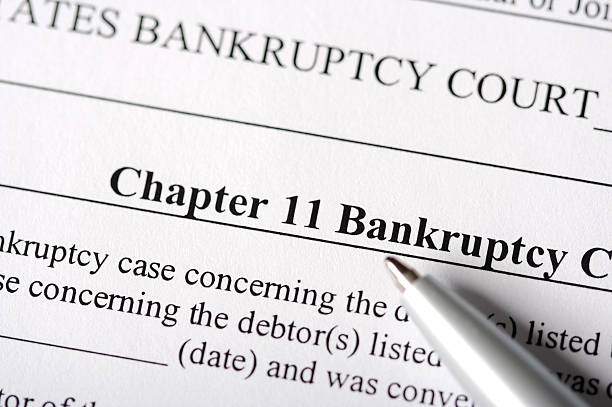

When a Business Faces Debt It Can’t Manage
Business owners facing overwhelming debt often assume their only options are closing the doors or selling the company. But bankruptcy law offers legitimate restructuring tools that allow a viable business to keep operating while reorganizing its debts. The challenge is knowing which tool fits your situation.
For most small businesses, the choice comes down to traditional Chapter 11 reorganization or the newer Subchapter V small business track — a streamlined version of Chapter 11 created specifically because traditional Chapter 11 was too expensive and complex for most small enterprises.
Traditional Chapter 11 — Powerful but Expensive
Chapter 11 lets a business file a reorganization plan that extends, reduces, or restructures debt with court approval and creditor consent. The business continues operating as a ‘debtor in possession’ while the plan is negotiated.
The problem: Chapter 11 is designed for large corporations. A small business can easily spend $50,000–$200,000+ in attorney and trustee fees during a Chapter 11 case — before achieving any debt relief. The process is also slow, averaging 12–36 months.
Subchapter V — The Small Business Lifeline
Created by the Small Business Reorganization Act of 2019 and temporarily expanded during the COVID-19 pandemic, Subchapter V is a dramatically simplified version of Chapter 11 available to businesses with qualifying debt levels.
Key advantages: no creditor voting required in many cases (the plan can be confirmed over creditor objections if it meets certain criteria), a standing trustee is appointed to help facilitate reorganization (rather than monitor liquidation), no disclosure statement required, faster timeline (plan proposed within 90 days), and significantly lower cost — often $15,000–$50,000 in legal fees.
Eligibility for Subchapter V
To use Subchapter V, the business must have total debts below a threshold set by statute (periodically adjusted — consult a bankruptcy attorney for current limits). At least 50% of the debt must have arisen from commercial or business activities, not primarily personal/consumer debts.
Sole proprietors can also use Subchapter V, which provides an option for self-employed individuals with business debts that exceeds personal bankruptcy thresholds.
Should You Reorganize or Liquidate?
The right choice depends on whether the business is fundamentally viable with reduced debt. If the core business generates or can generate enough cash flow to cover operations and restructured debt payments — reorganization makes sense. If the business model is broken regardless of debt level, liquidation (Chapter 7 for businesses) is typically the more honest path.
A candid assessment with a bankruptcy attorney and a financial advisor before filing is worth the investment. The goal is a realistic plan that the business can actually execute — not just a temporary stay of creditor pressure.