
You Have More Power Than You Think
Dealing with debt collectors is one of the most stressful financial experiences people face. Calls at inconvenient hours, threatening letters, and high-pressure tactics can feel overwhelming — especially when you’re already struggling financially.
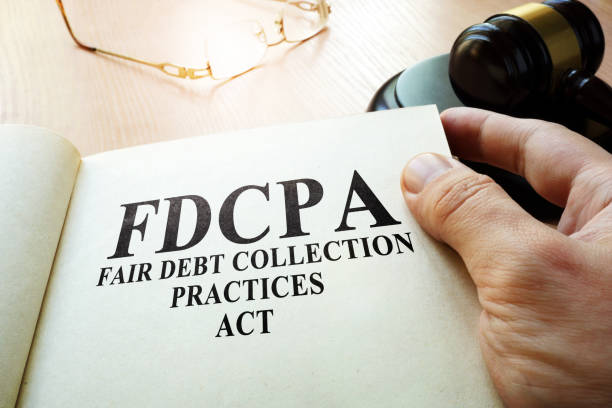
What most people don’t know: federal law (the Fair Debt Collection Practices Act, or FDCPA) places strict limits on how third-party debt collectors can operate. Violations entitle you to sue the collector for statutory damages — up to $1,000 per lawsuit plus actual damages and attorney fees. Knowing your rights changes the dynamic completely.
Who Is Covered — and Who Isn’t
The FDCPA covers third-party debt collectors — companies hired to collect debts on behalf of original creditors, or companies that purchase debts and collect them for their own account. It does not cover original creditors collecting their own debts (though many states have their own laws that fill this gap).
Covered debts include personal, family, and household debts — credit cards, medical bills, mortgages, auto loans, student loans. Business debts are generally not covered.
What Debt Collectors Cannot Do
Call before 8 a.m. or after 9 p.m. in your local time zone. Call your workplace if told you cannot receive calls there. Call repeatedly with intent to annoy or harass. Use obscene language or threats of violence. Falsely represent the amount owed, the legal status of the debt, or their identity. Threaten legal action they cannot or do not intend to take. Discuss your debt with anyone other than you, your spouse, or your attorney.
They also cannot report false information to credit bureaus, and must not collect fees, interest, or other charges not authorized by the original agreement or permitted by law.
Powerful Tools You Have
The debt validation letter: within 5 days of first contact, collectors must send written notice of the debt amount and your right to dispute it. Within 30 days of receiving that notice, you can send a written request for verification — the collector must then stop collection activities until they provide verification.
The cease communication letter: you can send a written letter demanding that all contact stop. They may contact you only to confirm receipt or to notify you of a specific action they intend to take. Send this by certified mail, return receipt requested.
What to Do When They Violate the Law
Document everything: date and time of calls, what was said, names of representatives. Save all letters. Note the exact wording of any threats or misrepresentations.
You can file a complaint with the Consumer Financial Protection Bureau (CFPB) and your state attorney general. You can also sue the collector in federal or state court for FDCPA violations. Consumer protection attorneys often handle these cases on contingency — they get paid from the statutory damages, not from you.