
Your IP May Be Your Most Valuable Asset — Are You Protecting It?
For most businesses, the most valuable things they own aren’t physical. It’s the brand name customers trust, the software that automates their operations, the process that gives them a competitive edge, or the content that drives their marketing. These are intellectual property assets — and most small business owners either don’t protect them at all or protect the wrong ones.
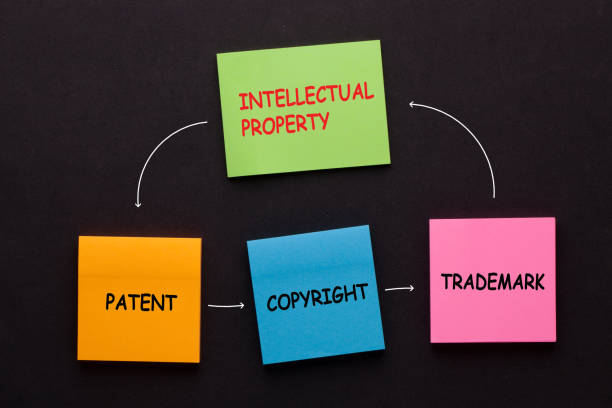
Understanding the four main types of IP protection helps you make smart, targeted decisions about where to invest in protection.
Trademarks — Protecting Your Brand
A trademark protects brand identifiers: your business name, logo, slogan, or any symbol that distinguishes your goods or services from competitors. Federal trademark registration with the USPTO gives you nationwide rights, the ability to use the ® symbol, legal presumption of ownership, and the right to sue in federal court.
The registration process takes 8–18 months and costs $250–$400 per class of goods or services in filing fees, plus attorney fees if you use one. But unregistered trademarks have limited protection — mostly just in the geographic area where you operate. If your brand has value, register it.
Copyright — Automatic but Often Misunderstood
Copyright protects original creative works: written content, software code, photographs, designs, music, and videos. Unlike trademarks, copyright exists automatically the moment you create and fix an original work — no registration required.
However, registering with the Copyright Office before infringement occurs unlocks statutory damages ($750–$150,000 per work infringed) and attorney fee awards — making registration enormously valuable if you ever need to enforce your rights. Registration costs $45–$65 per work.
Critical point: if you hire someone to create content, code, or designs, ensure your contract explicitly assigns all IP rights to you. ‘Work for hire’ doctrine has specific requirements, and creators retain rights by default unless properly assigned.
Patents — Innovation Protection with Real Costs
Patents protect inventions — new, useful, and non-obvious processes, machines, products, or designs. Utility patents protect functional inventions and last 20 years. Design patents protect ornamental appearance and last 15 years.
Patent protection is powerful but expensive. A utility patent application with a patent attorney typically costs $8,000–$15,000 or more, plus USPTO fees. The process takes 2–4 years. But if you have a genuinely novel product or process, a patent can create significant competitive advantage and licensing revenue.
Trade Secrets — Free but Requires Active Protection
A trade secret is any confidential business information that provides competitive advantage: formulas, customer lists, pricing strategies, manufacturing processes, algorithms. Unlike other IP, trade secrets never expire — as long as they remain secret.
But protection is entirely your responsibility. You must implement reasonable measures to maintain secrecy: non-disclosure agreements with employees and contractors, access controls, confidentiality policies, and security measures. If you fail to protect a trade secret and it becomes public, you lose protection permanently.