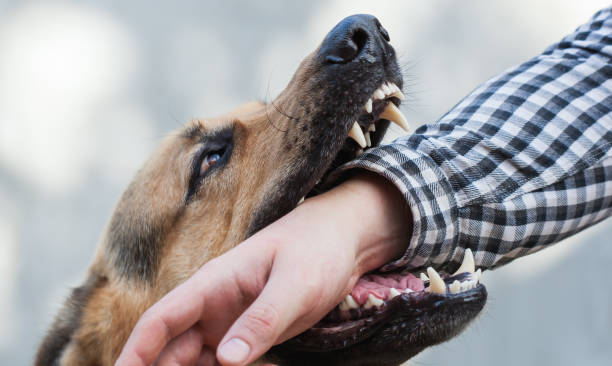

Dog Bite Injuries Are More Serious Than People Realize
The CDC estimates 4.5 million dog bites occur annually in the U.S., with about 800,000 requiring medical attention. Beyond the physical injuries — puncture wounds, lacerations, infection risk, nerve damage, and scarring — bite victims often experience lasting psychological effects, particularly children.
Dog bite claims are a significant category of personal injury law, with insurance companies paying out over $1 billion annually. Whether and how much you can recover depends primarily on your state’s liability rules.
Two Systems — Strict Liability vs. the One-Bite Rule
Most states apply strict liability for dog bites: the dog owner is liable for injuries caused by their dog biting someone in a public place or lawfully on private property — regardless of whether the owner knew the dog was dangerous. California, Florida, New York, Illinois, and many others follow this approach.
Some states still use the one-bite rule (also called scienter liability): the owner is only liable if they knew or should have known the dog had dangerous propensities — typically evidenced by a prior bite or aggressive behavior. Under this rule, a dog gets ‘one free bite’ before the owner faces liability (though this description oversimplifies the doctrine).
What You Can Recover
Dog bite damages typically include: medical expenses (emergency care, reconstructive surgery, infection treatment, rabies prophylaxis), lost wages during recovery, future medical expenses for scarring or ongoing treatment, pain and suffering, emotional distress (particularly for children and severe attacks), and disfigurement damages.
Homeowner’s and renter’s insurance typically covers dog bite liability — the dog owner’s policy pays your damages up to their coverage limits. Most homeowner’s policies have $100,000–$300,000 in liability coverage.
Defenses Dog Owners Use
Provocation: if the victim provoked the dog (hit it, pulled its tail, threatened it), many states reduce or eliminate the owner’s liability. Trespassing: most states limit protection to people lawfully on the property — a trespasser’s rights vary by state.
Comparative fault: if the victim contributed to the injury in any way, their recovery may be reduced by their percentage of fault. Owners will also argue the bite was minor or that the victim’s medical expenses were unreasonable.
What to Do Immediately After a Dog Bite
Seek medical care immediately — dog bites carry significant infection risk. Report the bite to local animal control, which creates an official record and triggers investigation. Get the dog owner’s information and homeowner’s insurance details. Document your injuries with photographs before treatment and throughout recovery.
Don’t accept a quick settlement from the insurance company before you’ve completed medical treatment and understand the full extent of your injuries. Settling too early forfeits your right to additional compensation for complications that emerge later.