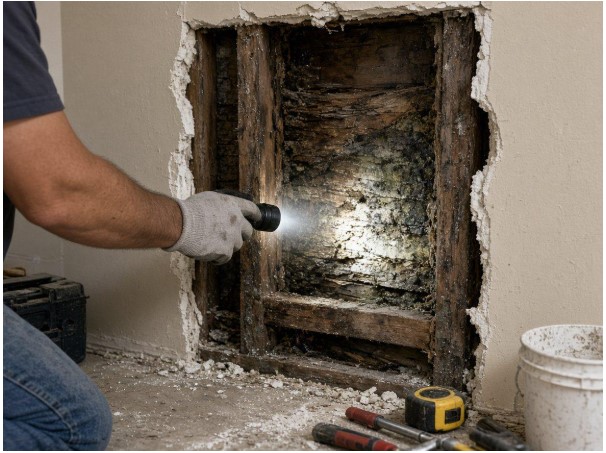

Sometimes the full damage from a storm or leak doesn’t show up right away. A roof repair reveals rotted decking. Drywall comes down and there’s wet framing behind it. When that happens, Florida homeowners may be able to file a supplemental insurance claim.
A supplemental claim asks for more payment on a loss the insurer already adjusted. Florida law defines it as a claim for additional loss or damage from the same peril. It can also cover costs that came up while repairs were underway on an open claim.
Timing matters. Under section 627.70132 of the Florida Statutes, a supplemental claim is generally barred unless notice is given within 18 months after the date of loss. For hurricanes and other weather events, the date of loss is tied to the date of landfall or the date the event is verified by NOAA.
Good records make supplemental claims stronger:
- Photos at every stage. Take pictures before, during and after repairs.
- Contractor notes. Ask the contractor to explain in writing what was found and why it’s tied to the original loss.
- Updated estimates. List the added work separately from the original scope.
- The original claim file. Keep the first estimate, payment letters and claim number handy.
Homeowners should also watch for signs of hidden damage. Musty smells, soft floors, new stains or cracks after a storm can all point to more work.
If the insurer refuses a supplemental claim, it should explain why. A written denial can be reviewed against the policy.
Jenkins Law P.L., a property insurance law firm in St. Petersburg, recommends that homeowners note the date of loss and track the 18-month window from day one.
This article is general information and not legal advice. The hiring of a lawyer is an important decision that should not be based solely on advertisements.