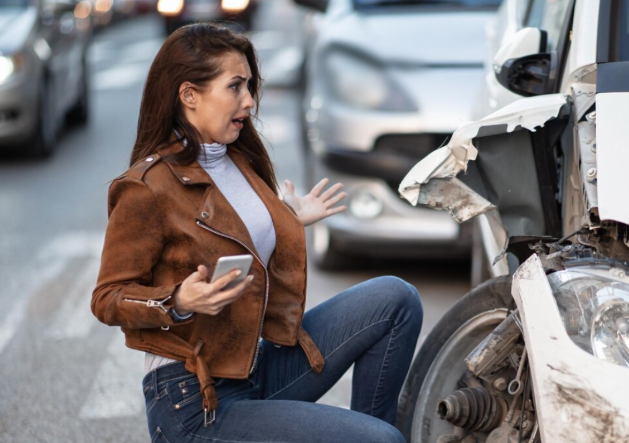

Traffic on I-275 near downtown Tampa stops in a hurry at rush hour. Somebody isn’t paying attention, and there’s a crunch. Most people assume the driver in back is automatically at fault. In Florida, that’s where the analysis starts. It isn’t always where it ends.
Florida courts have long presumed the rear driver was negligent. Drivers are supposed to leave enough room to stop, so the person who hit from behind usually has to explain why it wasn’t their fault. Judges and adjusters both start from that assumption.
Sometimes there’s a real explanation. A car cuts into the lane and brakes right away. The front driver slams on the brakes for no reason at all. Brake lights are out. A car rolls backward at a light on a hill (rare in Florida, but parking garages count). Chain-reaction wrecks on I-4 can split fault among three or four drivers.
Why does the split matter so much? Florida now uses modified comparative negligence. A driver found more than 50 percent at fault for their own injuries can’t recover damages from the others. Anyone under that line can recover, minus their share.
Evidence settles most of these arguments, and it disappears faster than people think. Dash cam clips. Footage from a nearby gas station. Photos showing where each car took damage, which can reveal a sideswipe-then-stop rather than a simple tailgate. The crash report, witness names, sometimes phone records showing a driver was texting.
People hurt in rear-end crashes around Tampa, St. Petersburg and Sarasota can get a free case review from Bonardi & Uzdavinis, which handles car accident injury claims across the region. Call (813) 540-2019.
*This article is general information, not legal advice.*